
Published Date January 24, 2003
Pb & J: Spreading deliciousness
By Naurin Ansari
4 min read

Last update date: January 24, 2003
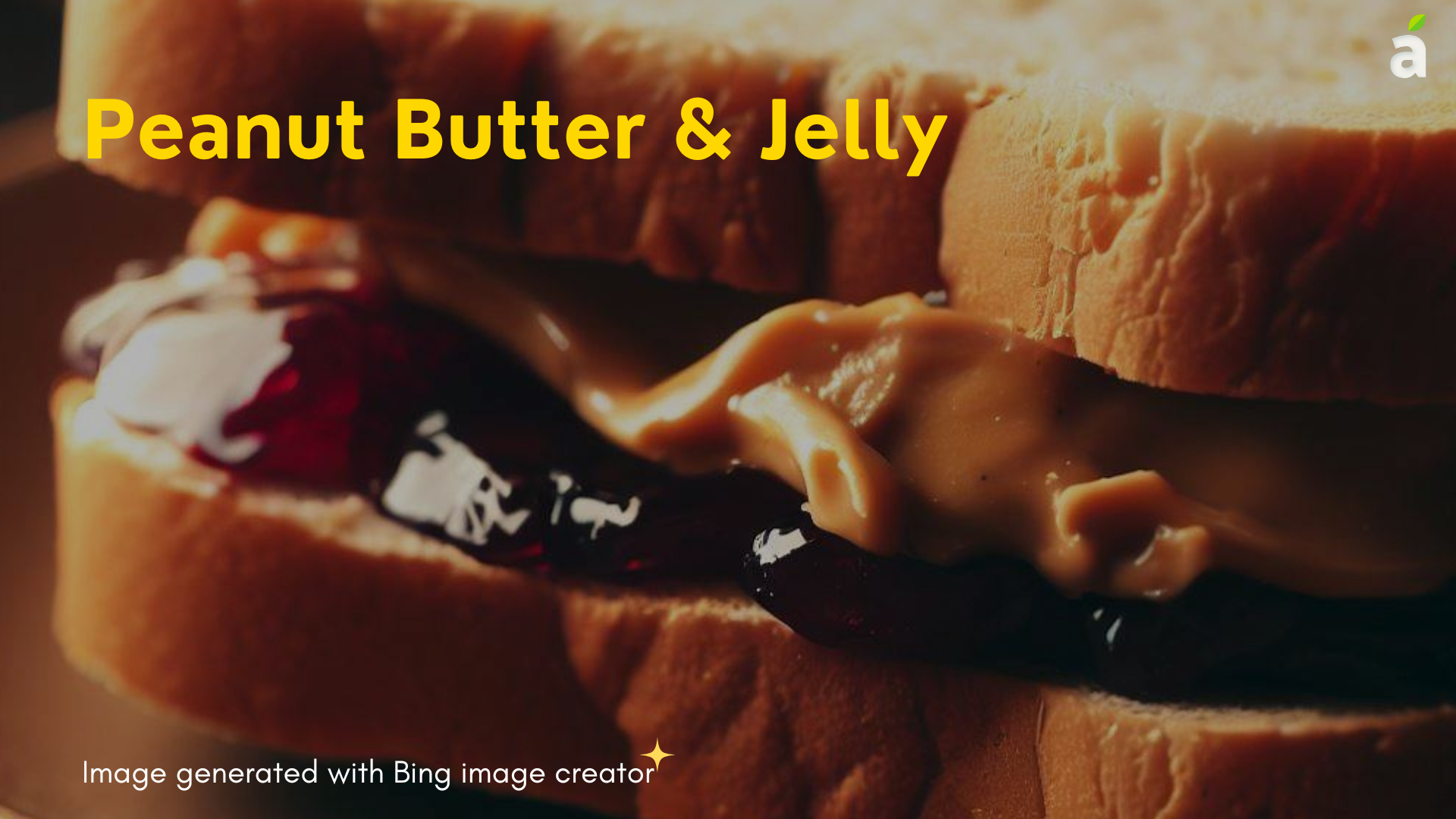
Peanut butter is a popular spread made from roasted peanuts. It is a versatile food that can be used in a variety of dishes, from sandwiches to cookies. It is a great source of protein and healthy fats, making it a great addition to a healthy diet. In this blog post, we will explore some types of peanut butter, its nutritional benefits, and some delicious ways to enjoy it.
Peanut butter was first invented by Dr John Harvey Kellogg in 1895 as a protein-rich food for patients who had difficulty chewing solid food. However, it wasn't until 1904 that peanut butter was introduced to the general public at the St. Louis World's Fair. It quickly became popular and by the 1920s, it was a staple in many American households.
Types of Peanut Butter
700 million pounds of peanut butter is consumed annually in the United States. When it comes to eating peanut butter in India alone, Delhi, Bangalore, Mumbai, Chennai, and many more states have been devouring this delicious spread for quite some time now.
Studies have shown that peanut butter production was 10,000 - 12,000 tonnes in India in the state of Gujarat, by the year 2016. 90% of which was exported globally. While its consumption was approximately, 1000 tonnes every year. Peanut butter is kept on a separate shelf at the store. Ever wondered why? It is because of its various types:
- Natural Peanut Butter
This group includes all varieties of organic peanut butter. Natural peanut butter's oils separate from the solids as it stands upright on the shelf. Because peanut oil normally floats to the surface, this is the case. Just stir before eating, nothing else to do. - No-Stir Peanut Butter
This peanut butter variety contains one of the permitted ingredients in the FDA’s definition of peanut butter, refined palm oil. This extra ingredient addition makes peanut butter a ‘no-stir’ butter without partially hydrogenated oils.
However, there is a growing awareness regarding the harmful effects of palm oil because it is high in trans fats. That makes peanut butter with palm oil labeled “peanut butter spread” and not just Peanut Butter. - Conventional Peanut Butter
To solidify oils at room temperature, they are heated and exposed to hydrogen gas. This partially hydrogenated vegetable oil is mixed with peanut butter to prevent spilling during shipment. It also adds a smooth, creamy texture to peanut butter and makes it possible to ship worldwide, fostering commercial benefits.
Nutritional Benefits of Peanut Butter
1 cup of Peanut butter in grams is 250g in weight and is packed with nutrition, making it a great addition to a healthy diet. Here are some of the nutritional benefits of peanut butter:
- High in Protein: Peanut butter is an excellent source of protein, with around 7 grams of protein per serving. This makes it a great food for building and repairing muscles.
- Rich in Healthy Fats: Peanut butter is high in healthy fats, including monounsaturated and polyunsaturated fats. These fats help lower cholesterol levels and reduce the risk of heart disease.
- High in Fibre: Peanut butter is also a good source of fibre, with around 2 grams of fibre per serving. This can keep you feeling full and satisfied for longer periods.
- Packed with Vitamins and Minerals: Peanut butter is a great source of vitamins and minerals, including vitamin E, magnesium, and potassium.
- Antioxidant Properties: Peanuts contain resveratrol, a powerful antioxidant that is known to reduce the risk of certain cancers and heart disease.
Additionally, peanut butter is a low fodmap food. FODMAP is an acronym for Fermentable oligosaccharides, disaccharides, monosaccharides, and polyols. Peanut butter is FODMAP food because it contains good fats, fibre, and antioxidants. Peanut butter is good for weight loss, as it curbs hunger and speeds up calorie burning.
Moderate consumption of peanut butter can be beneficial for diabetics without peanut allergies. Its low glycemic index, high protein and healthy fat content, and dietary fibre are a suitable choice. However, portion control is important, and personalized advice from healthcare professionals is recommended.

Ways to Enjoy Peanut Butter
Peanut butter is a versatile food that can be used in many different ways. Here are some delicious ways to enjoy peanut butter:
- Peanut Butter and Jelly Sandwich: A classic combination that never gets old. Spread peanut butter on one slice of bread and jelly on the other, then sandwich them together for a tasty snack.
- Peanut Butter and Banana Smoothie: Blend peanut butter, banana, milk, and ice for a delicious and filling smoothie.
- Peanut Butter and Apple Slices: Slice up an apple and spread peanut butter on each slice for a tasty and healthy snack.
- Peanut Butter Cookies: Whip up a batch of peanut butter cookies for a sweet treat.
- Peanut Butter and Chocolate: Mix peanut butter and melted chocolate for a rich dessert.
- Peanut butter cupcake: Enjoy a delightful treat with a peanut butter cupcake. The creamy peanut butter flavour and moist cake create a heavenly combination.
- Peanut Butter and Cheese: The unexpected combination of peanut butter and cheese offers a delightful and adventurous flavour experience.
Takeaway
In summary, peanut butter is not only delicious but also highly nutritious. It is a great source of protein, healthy fats, fibre, vitamins, and minerals. Consuming peanut butter in moderation can provide benefits such as supporting muscle growth, promoting heart health, aiding digestion, regulating blood sugar levels, and supplying essential nutrients.
However, it is important to be mindful of portion sizes due to their calorie density, and individuals with peanut allergies should opt for alternatives. Overall, peanut butter can be a tasty and satisfying addition to a balanced diet.
References
- https://www.medicalnewstoday.com/articles/317127#gi
- https://phablecare.com/health-guide/weight-loss/peanuts-good-for-weight-loss
- https://www.schaer.com/en-us/a/is-peanut-butter-low-fodmap#:~:text=Peanut%20Butter%20is%20Low%20in%20FODMAPS&text=Fortunately%2C%20most%20of%20them%20are,for%20a%20low%20FODMAP%20diet
- https://timesofindia.indiatimes.com/city/ahmedabad/gujarat-leads-peanut-butter-production/articleshow/50885727.cms
Choose Healthy With Us.
Know the real truth about your food. Stay informed and healthy, for free.

Download the App Now
Certified nutritionists trust our food recommendations. Safe to say, so can you :)



Striving to make sure you are always aware of what you eat. Browse over 10k products and 7k recipes and know which ones are good for your well being and which ones are not.
support@arisoapp.com | +919099962227
Follow us on -


